
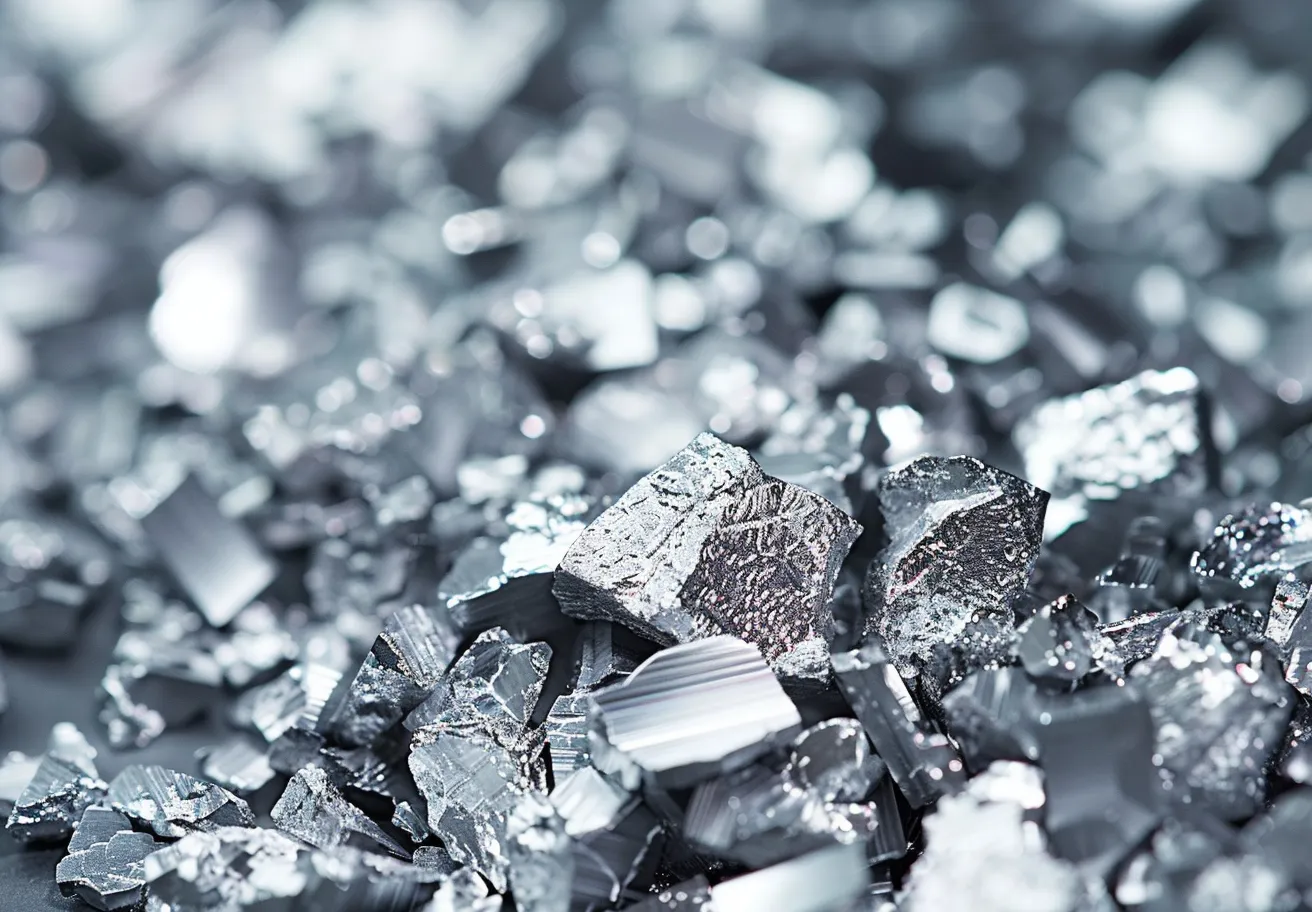
Calcium Carbide (CaC₂) is a versatile industrial chemical used worldwide as a key feedstock for acetylene production and as a functional reagent in chemical and metallurgical processes. Supplied in robust, moisture-resistant packaging, our high-quality calcium carbide delivers consistent performance for welding, chemical manufacture, steelmaking and other industrial applications.
| Parameter | Specification |
|---|---|
|
Purity (%) |
Based on gas yield (see analysis section) |
|
Available Sizes |
25–50 mm, 50–80 mm, 80–120 mm |
|
Moisture Content |
< 0.5% |
|
Color |
Grey to black |
|
Physical Form |
Hard lumps |
| Size (mm) | Gas Yield (L/Kg) | Size % ≥ | pH 3% (V/V) ≤ | HnS% (V/V) ≤ |
|---|---|---|---|---|
|
80-120 |
295–210 |
88 |
0.016 |
0.10 |
|
50-80 |
295–305 |
88 |
0.016 |
0.10 |
|
25-50 |
295–300 |
88 |
0.016 |
0.10 |
Primary industrial use — acetylene is a feedstock for many organic syntheses and certain welding/thermal cutting applications.
Precursor for chemicals such as calcium cyanimide and other specialty chemicals.
Employed in smelting/steelmaking operations as a reagent for desulfurization and other metallurgical treatments (application-specific grades).
Reagent in selected organic chemistries and specialty manufacturing processes.
Historically used in carbide lamps and certain niche industrial processes.

Calcium carbide reacts with water to produce acetylene, a highly flammable gas. Contact with moisture may result in gas evolution and fire/explosion risk if sources of ignition are present. It may also generate alkaline residues (calcium hydroxide).
Use appropriate dust controls and PPE — safety goggles, chemical-resistant gloves, and approved respiratory protection when dust or vapour exposure is possible.
Store in a dry, sealed environment. Segregate from water, acids, oxidizing materials and other incompatible substances.
Prevent moisture contact. For dry material spills, collect with dry methods (e.g., dry shovel), avoid creating dust clouds and place material in dry, sealed containers. Do not use water to fight fires involving calcium carbide; follow local fire authority guidance.
Product documentation (SDS/MSDS) and compliance certificates will be provided; customers should consult local regulations for permitted uses and handling requirements.
Production begins with carefully proportioned blending of lime (calcium oxide) and coke (carbon). This mixture, known as the furnace charge, is prepared to ensure consistency and optimal reaction performance.
The blended charge is fed into an electric arc furnace, where intense heat initiates a carbothermic reduction reaction. In this process, calcium oxide reacts with carbon to form calcium carbide (CaC₂) and carbon monoxide (CO) gas according to the reaction: CaO + 3C → CaC₂ + CO
After the reaction, the molten mass of calcium carbide is allowed to cool and solidify under controlled conditions to preserve product quality and prevent unwanted reactions.
The solidified calcium carbide is crushed and screened into various particle sizes as required by different industrial applications.
Finally, the finished product is packed in moisture-resistant containers to maintain stability during storage and transport. It is then distributed to customers for use in acetylene generation, metallurgy, and other industrial processes.